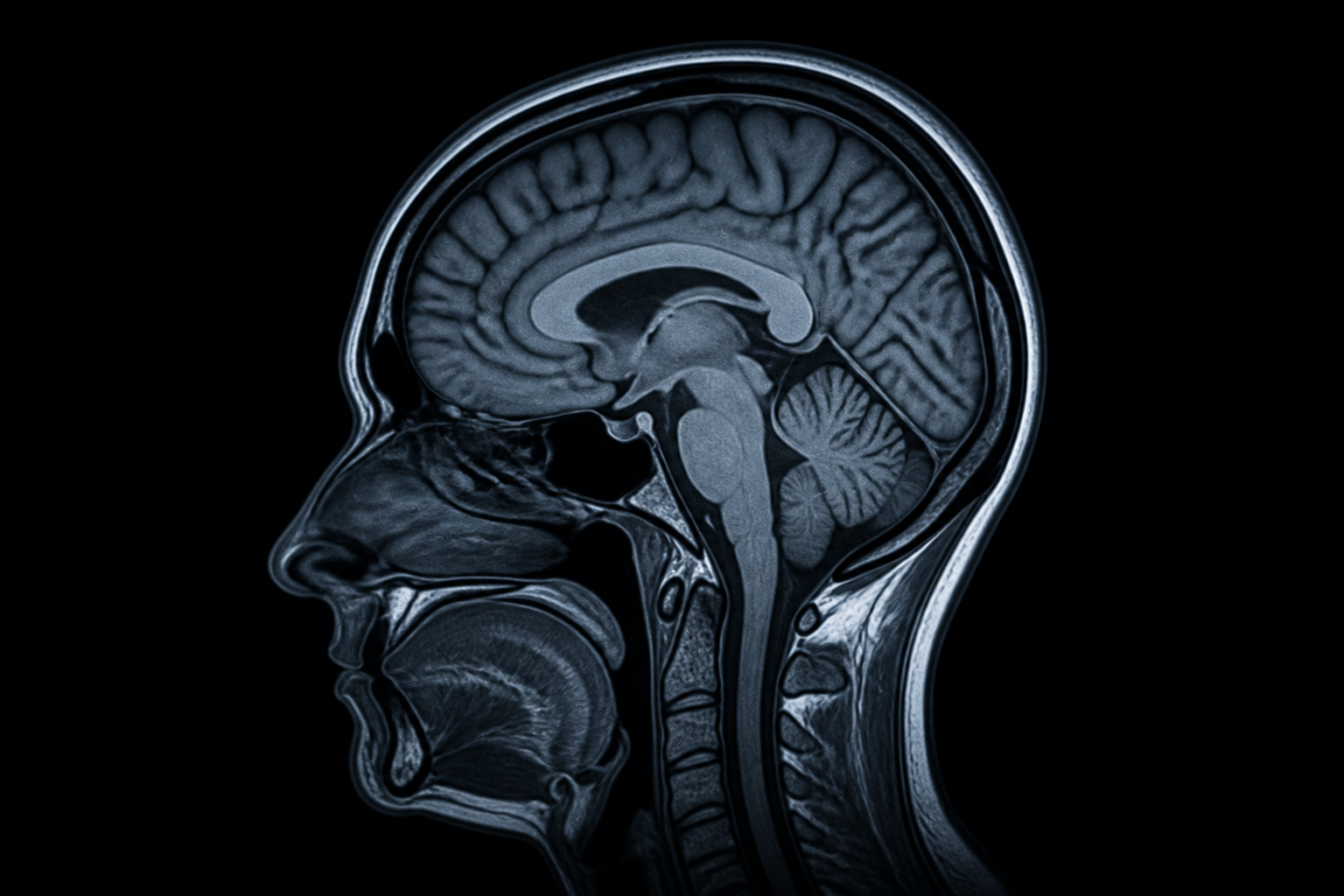
Harmonizing depression rating scales onto a single mathematical metric reveals that depression severity alters brain anatomy through shared and disorder-specific patterns. People often assume that severe depression damages the brain in the exact same physical way across different clinical diagnoses. Instead, increasing depression severity thins the brain cortex in both major depressive disorder and bipolar disorder, but major depression targets deep subcortical structures while bipolar disorder spreads thinning across a wider cortical area.
As depressive symptoms worsen, the outer gray matter sheet of the cortex loses physical thickness. Much like tree bark wearing thin, this surface layer contracts as mood and motivational difficulties grow. In major depressive disorder, the physical changes concentrate inward on the hippocampus and thalamus. In contrast, bipolar disorder produces broader cortical thinning alongside greater structural variation across the entire brain surface.
Researchers with the international ENIGMA consortium analyzed magnetic resonance imaging scans and clinical assessments from 52 worldwide sites. The team evaluated 11,999 individuals, including 6,789 healthy controls, 3,307 people with bipolar disorder, and 1,903 people with major depressive disorder. By applying item response theory across five distinct rating scales, the scientists demonstrated that symptom dimensions like anxiety and suicidal thinking map to unique subcortical volumes and surface areas.
This mathematical harmonization allows global researchers to integrate dimensional symptom measurements across large multiscale studies. Future investigations can now map specific symptom clusters to precise structural brain changes rather than relying on pooled total scores from incompatible tests.