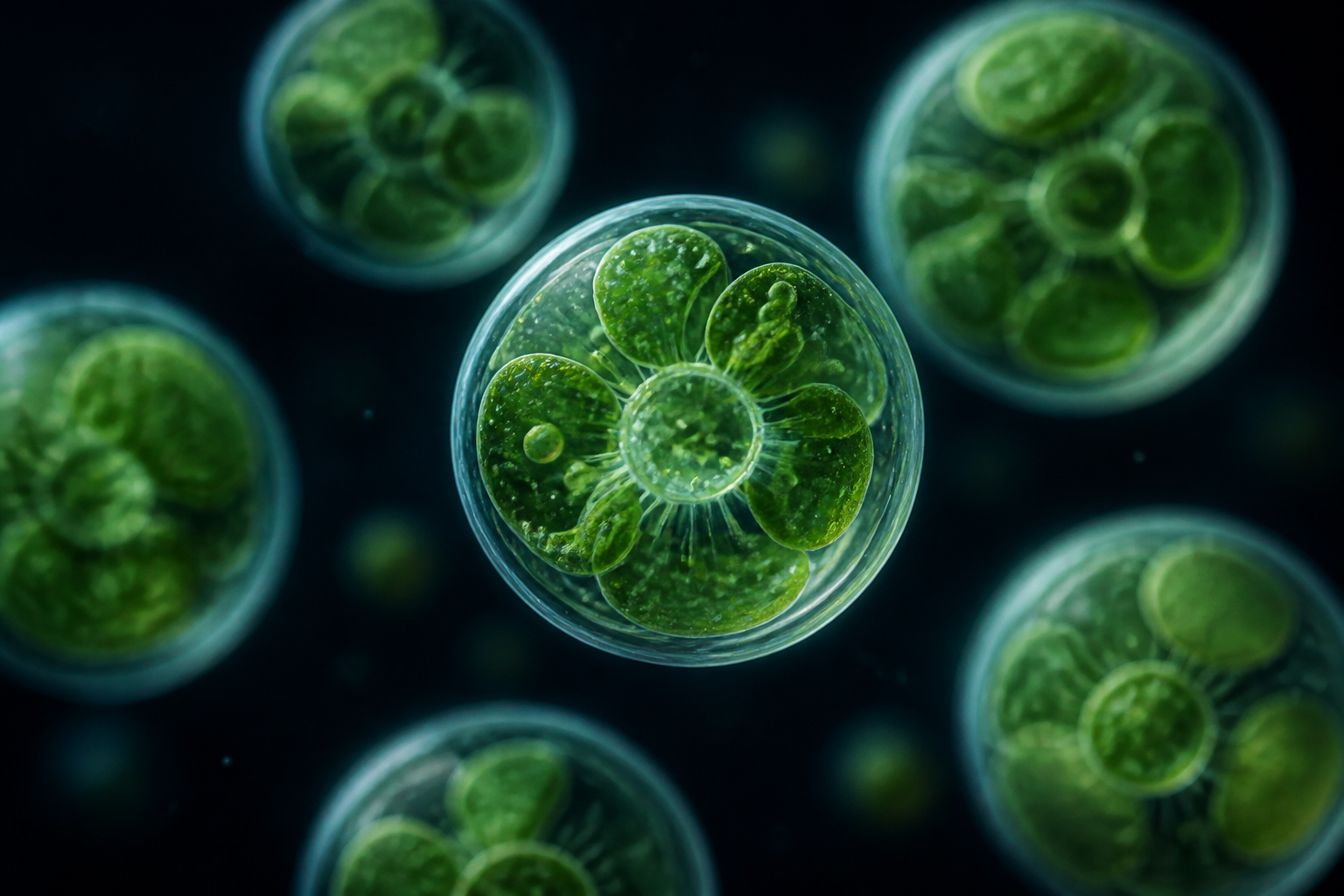
Scientists generated rats with multiple inherited mutations in their mitochondrial DNA through a single direct procedure. Traditional breeding cannot combine these energy-producing genetic defects because offspring inherit mitochondrial DNA exclusively from the mother. The team bypassed this barrier by injecting base-editing tools straight into single-cell embryos to modify several targets at once.
Pairs of custom editor proteins bind to selected spots on the circular mitochondrial genome inside the egg cell. Acting like targeted molecular pencils, the editors swap specific cytosine letters without cutting the fragile double-stranded backbone. The modified embryos then develop into live rats while retaining the altered genetic sequences in their mitochondria. Both the mitochondrial compartments and the central cell nucleus escape unintended off-target edits during this process.
The researchers microinjected mixed pairs of cytosine base editor plasmids into one-cell rat zygotes to target two or three distinct genetic positions. Deep sequencing and long-read sequencing revealed editing efficiencies reaching up to 58.5 percent across the target sites. Breeding tests verified that the parent rats stably passed these double and triple mutations through the germline to new generations.
These multi-site mutant animals provide experimental models to clarify how multiple mitochondrial mutations drive complex disease pathology. Scientists can use these stable rat lines to evaluate potential therapies aimed at multi-site mitochondrial disorders.