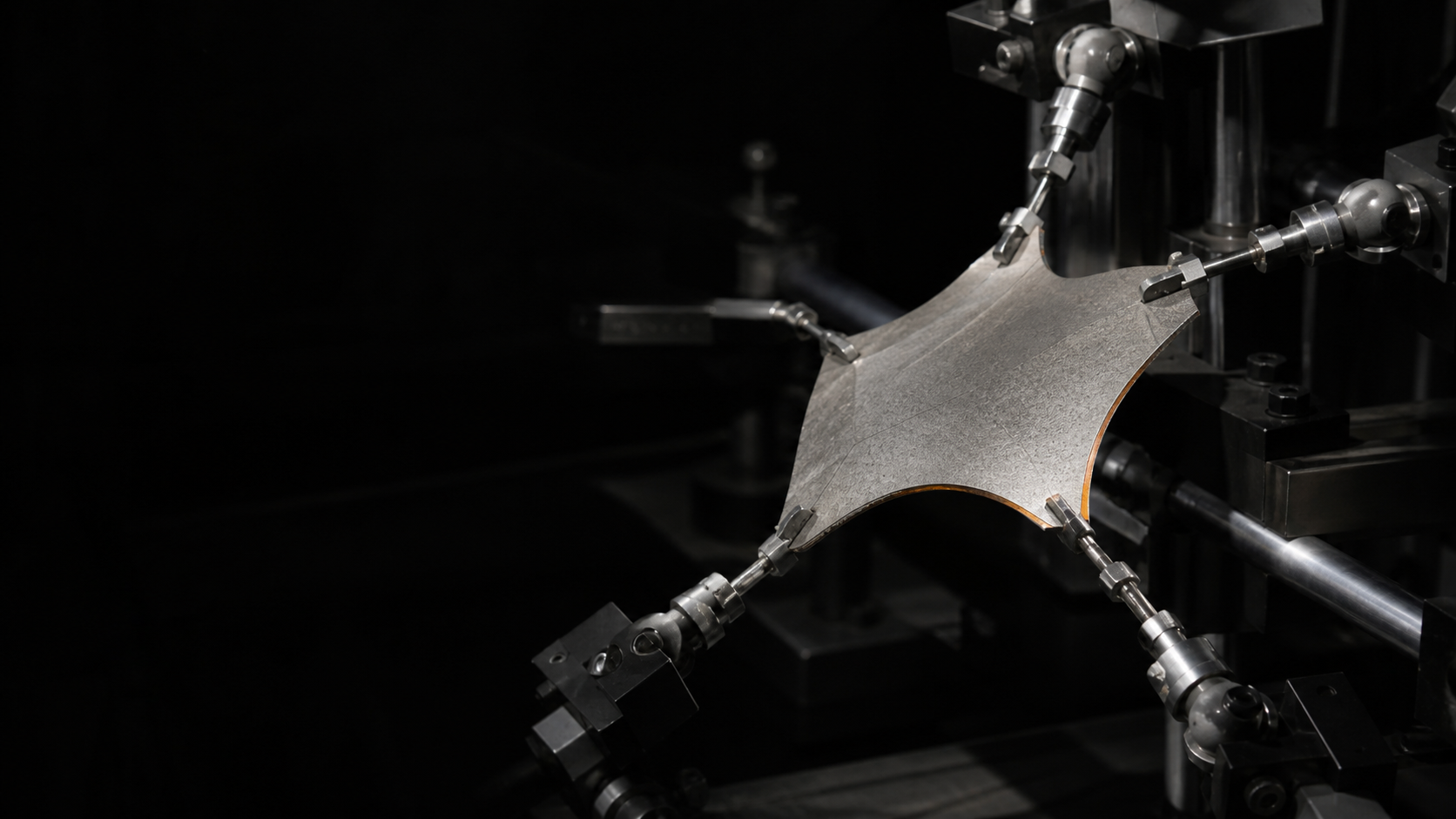
A new multifunctional thermal device can steer, stop, and switch the direction of moving heat. Heat naturally diffuses into surrounding cooler space in every direction, but this hardware forces thermal energy to follow specific chosen routes. The system relies on liquid evaporating at internal interfaces combined with physical walls that stop air circulation.
When heat warms the device, liquid shifts into vapor at the contact boundary to pull energy along a designated channel. This action works like an electrical circuit breaker or a plumbing valve controlling pipes. Physical barriers simultaneously trap circulating air to prevent heat from leaking backward along the wrong path. By opening or closing different internal routes, the device switches heat transfer between multiple targets.
The development team built the prototype and integrated it directly into a building-integrated photovoltaic solar panel setup. In directional testing, the device demonstrated a thermal diodicity score of 12.76, confirming that heat travels forward far more readily than backward. During operational tests, the unit lowered solar panel temperatures by approximately 10 degrees Celsius.
The authors state that redirecting excess solar heat can now supply warmth to living spaces inside buildings according to specific indoor needs. This design establishes a way to control heat flow directions across diverse thermal management systems without complex machinery.